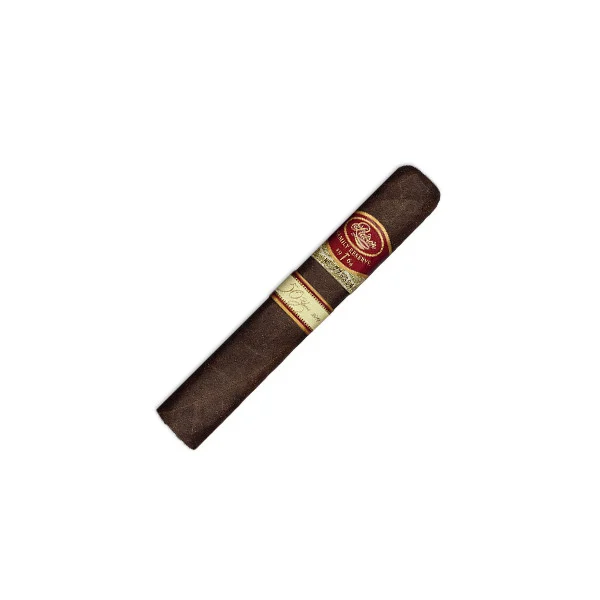
If you are new to the world of cigars, the first question is surprisingly simple: what exactly is a cigar?
A cigar is more than simply rolled tobacco. Traditional cigars are carefully constructed from different tobacco leaves, with the choice of tobacco, fermentation, aging, rolling, size, shape, and storage all influencing the smoking experience.
For beginners, cigar terminology can seem complicated. Words such as wrapper, binder, filler, vitola, strength, body, and draw appear everywhere in the cigar world.
This guide from BB Cigars introduces the fundamentals so you can understand what you are buying, what you are smoking, and how to begin exploring premium cigars with confidence.
Important: Cigars contain nicotine and tobacco smoke contains toxic and cancer-causing chemicals. Cigars are not a safe alternative to cigarettes. This guide is intended for adult education and cigar culture, not as a statement that cigar use is safe.
What Is a Cigar?
A cigar is a tobacco product made by rolling cured tobacco leaves or tobacco-containing material into a cylindrical form. Unlike cigarettes, traditional cigars use tobacco leaf as the outer wrapper.
Cigars come in many different sizes, shapes, constructions, and styles. They range from small cigarillos and little cigars to large handmade cigars commonly associated with the premium cigar market.
A traditional handmade cigar is generally built from three major components:
- Wrapper
- Binder
- Filler
Understanding these three parts is one of the most important first steps for any cigar beginner.
The Three Parts of a Cigar
1. Wrapper
The wrapper is the outermost tobacco leaf.
It is the part you can see when you look at a finished cigar, and it can have a significant influence on the cigar’s aroma, appearance, texture, and flavor.
Wrapper leaves are carefully selected for characteristics such as:
- Color
- Texture
- Elasticity
- Oil content
- Vein structure
- Aroma
- Overall appearance
Common wrapper descriptions include terms such as Connecticut Shade, Habano, Maduro, and other regional or varietal classifications.
However, the wrapper should not be viewed as the only source of a cigar’s flavor. The entire tobacco blend and construction contribute to the final smoking experience.
2. Binder
The binder is the tobacco leaf underneath the wrapper.
Its primary role is structural: it helps hold the filler tobacco together and gives the cigar its shape.
Binder tobacco can also contribute to the cigar’s combustion and flavor characteristics.
3. Filler
The filler is the tobacco inside the cigar.
This is where cigar makers can combine tobacco from different leaves, regions, plants, or primings to create a particular blend.
Premium handmade cigars often use long-filler tobacco, meaning longer pieces of tobacco leaf run through much of the cigar.
Short-filler cigars use smaller pieces of tobacco instead.
The filler blend is one of the major elements that cigar makers use to create different flavor profiles and smoking characteristics.
What Makes a Cigar “Premium”?
This is where things become more complicated.
There is no single universally accepted definition of a premium cigar across the entire global cigar industry. The National Academies noted that regulators, industry groups, courts, and the public have used different definitions.
For research purposes, the National Academies described premium cigars using characteristics including:
- Handmade construction
- At least 50% natural long-leaf filler tobacco
- A whole-leaf tobacco wrapper
- No filter or tip
- No characterizing flavor other than tobacco
- A minimum weight threshold
The FDA has also used a more detailed definition in the context of U.S. regulatory proceedings, including whole-leaf wrapper, leaf-tobacco binder, long filler, handmade or hand-rolled construction, and other criteria. The regulatory situation has changed through ongoing litigation, so legal definitions should not automatically be treated as a universal industry definition.
For a cigar enthusiast, however, premium is better understood as a combination of craftsmanship, tobacco selection, construction, consistency, and overall experience—not simply price.
How Are Cigars Made?
The journey from tobacco plant to finished cigar involves several stages.
1. Growing Tobacco
Tobacco varieties are cultivated in different climates and soils.
Factors such as:
- Soil
- Sunlight
- Rainfall
- Temperature
- Farming practices
- Plant variety
can influence the characteristics of the resulting tobacco.
2. Curing
After harvesting, tobacco leaves are cured.
Curing allows moisture to leave the leaves while physical and chemical changes take place.
Different curing methods can influence the color, aroma, texture, and future characteristics of the tobacco.
3. Fermentation
Many cigar tobaccos undergo fermentation.
During this process, controlled heat and moisture help transform the tobacco.
Fermentation is particularly important in the development of aroma and the reduction or transformation of certain compounds.
4. Aging
After fermentation, tobacco may be aged for an extended period.
Like other agricultural products, tobacco can change over time. Aging can influence its aroma, texture, combustion characteristics, and overall profile.
5. Rolling
Experienced cigar rollers assemble the filler, binder, and wrapper.
The tobacco must be arranged and rolled carefully to produce an even cigar with appropriate firmness and airflow.
6. Quality Control
Finished cigars may be inspected for:
- Appearance
- Construction
- Draw
- Firmness
- Wrapper condition
- Size
- Consistency
Quality control is particularly important for handmade cigars because natural tobacco leaves vary from one cigar to another.
What Is a Cigar Wrapper?
Cigar wrappers are often one of the first things beginners notice.
A wrapper can vary significantly in:
- Color
- Texture
- Thickness
- Veining
- Oiliness
- Origin
- Growing method
You may encounter descriptions such as:
Claro, Colorado, Colorado Maduro, Maduro, Oscuro
These terms generally describe appearance and color, although terminology can vary between manufacturers and cigar markets.
A darker wrapper does not automatically mean a stronger cigar.
This is an important beginner misconception.
The cigar’s strength depends on the tobacco blend, especially the types and parts of tobacco used throughout the cigar—not simply the color of the wrapper.
What Does “Strength” Mean?
Strength usually refers to the intensity of nicotine impact.
A cigar can be described as:
- Mild
- Mild to Medium
- Medium
- Medium to Full
- Full
Strength is different from flavor.
For example, a cigar can have rich flavors while remaining relatively mild in strength.
Another cigar may have a powerful nicotine impact while having a relatively simple flavor profile.
Understanding this distinction makes cigar reviews much easier to interpret.
What Does “Body” Mean?
Body describes the overall weight and intensity of the smoking experience.
A cigar with light body may feel delicate and subtle.
A full-bodied cigar may feel heavier, richer, and more intense.
Strength and body are related, but they are not identical.
A cigar can be:
Mild strength + medium body
or:
Medium strength + full body
This is why reading both terms is useful when choosing a cigar.
What Is a Cigar’s Flavor Profile?
Cigar flavor descriptions often include:
- Cedar
- Earth
- Leather
- Coffee
- Cocoa
- Pepper
- Nuts
- Cream
- Spice
- Sweetness
- Wood
- Dried fruit
These descriptions are used to communicate sensory impressions.
They do not necessarily mean that the cigar contains those ingredients.
For example, when someone describes a cigar as having “coffee” or “cocoa” notes, they are describing an aroma or flavor sensation rather than saying that coffee or cocoa was added to the tobacco.
What Is a Vitola?
Vitola is a term used to describe a cigar’s size and shape.
Two important measurements are:
Length
Usually measured in inches.
Ring Gauge
Ring gauge describes the diameter of the cigar.
A ring gauge of 50 means the cigar is approximately 50/64 of an inch in diameter.
For example:
6 × 50
means approximately:
- 6 inches long
- 50 ring gauge
Size influences the smoking experience because a larger cigar contains more tobacco and may burn for a longer period.
Common Cigar Shapes
Beginners will encounter several common cigar shapes.
Robusto
Shorter and relatively thick.
A popular format for smokers who want a substantial cigar without committing to a very long smoking session.
Toro
Longer than a typical Robusto and usually moderately thick.
Churchill
Long and relatively elegant, traditionally associated with a longer smoking session.
Corona
A classic format that is generally slimmer and shorter than larger modern vitolas.
Torpedo
A pointed head gives the cigar its distinctive appearance.
Perfecto
A cigar that is tapered at both ends, often requiring more skill to construct.
Different brands may use their own names or variations, so the exact dimensions should always be checked.
Why Does Cigar Size Matter?
Size affects more than appearance.
A larger cigar generally contains more tobacco and can provide a longer smoking experience.
The diameter can also influence how the cigar burns and how the blend develops throughout the smoking session.
However, bigger does not automatically mean better.
For beginners, a medium-sized cigar can often be a practical way to explore a new blend without committing to an extremely long format.
How Should Cigars Be Stored?
Proper storage is essential for maintaining cigar quality.
Premium cigars are sensitive to environmental conditions, especially humidity and temperature.
A humidor is designed to provide a controlled environment for cigar storage.
Beginners should avoid:
- Leaving cigars exposed to dry air
- Storing cigars in direct sunlight
- Using uncontrolled household containers for long-term storage
- Making sudden humidity changes
A good storage environment helps protect the wrapper, construction, aroma, and smoking characteristics of the cigar.
Do You Need a Humidor?
If you are buying only one cigar to smoke immediately, long-term storage may not be a major concern.
If you begin purchasing cigars regularly, however, proper storage becomes increasingly important.
A basic setup may include:
- A quality humidor
- A reliable hygrometer
- An appropriate humidification system
- Properly maintained storage conditions
As your collection grows, understanding cigar storage becomes just as important as understanding cigar selection.
How Do Beginners Choose a Cigar?
There is no single cigar that is right for every beginner.
Instead, consider several factors:
1. Strength
If you have little experience with cigars, starting with a milder or medium-strength cigar can make it easier to understand the experience.
2. Size
Choose a format that matches the amount of time you have available.
3. Flavor
Think about flavors you already enjoy.
If you enjoy coffee, cocoa, nuts, cedar, or spices, those descriptions can help you explore cigars with related tasting notes.
4. Construction
Look for cigars with a well-formed wrapper and consistent construction.
5. Reputation
Established manufacturers and well-reviewed blends can give beginners a useful starting point.
Over time, your own palate will become more important than other people’s ratings.
How Is a Cigar Different From a Cigarette?
Cigars and cigarettes are both tobacco products, but their construction and typical use differ.
Cigarettes are generally smaller, use paper wrappers, and are designed for relatively short smoking sessions.
Cigars can vary greatly in size and may contain substantially more tobacco. Large cigars can contain several grams of tobacco and may take one to two hours to smoke.
Another important difference is that cigar smoke is often not intentionally inhaled.
However, not inhaling does not make cigar smoking safe. Nicotine can be absorbed through the mouth, and cigar smoke contains toxic and cancer-causing substances.
Is Smoking a Cigar Safe?
No tobacco product is risk-free.
Cigar smoke contains nicotine and numerous toxic and cancer-causing chemicals. The National Cancer Institute reports that cigar smoking can cause cancers of the oral cavity, larynx, esophagus, and lung, and may also cause pancreatic cancer.
Even cigar smokers who do not inhale expose their mouth, throat, and other tissues to tobacco smoke.
For this reason, premium construction or higher price should never be interpreted as meaning that a cigar is safer.
Cigar Etiquette for Beginners
The cigar world has its own traditions, but beginners do not need to know every rule immediately.
A few simple principles are enough:
- Handle cigars carefully.
- Avoid squeezing or damaging the wrapper.
- Cut the cigar cleanly.
- Light it evenly.
- Smoke slowly rather than rushing.
- Avoid judging a cigar after only a few puffs.
- Respect the people around you and follow local smoking rules.
- Never assume an expensive cigar is automatically the right cigar for everyone.
The goal is not to impress other smokers.
The goal is to understand what you personally enjoy.
The Most Important Cigar Terms for Beginners
| Term | Meaning |
|---|---|
| Wrapper | Outer tobacco leaf |
| Binder | Leaf that holds the filler together |
| Filler | Tobacco inside the cigar |
| Long Filler | Long tobacco leaves used throughout much of the cigar |
| Vitola | Cigar size and shape |
| Ring Gauge | Diameter measurement |
| Strength | Nicotine intensity |
| Body | Overall intensity and weight of the smoking experience |
| Draw | Airflow through the cigar |
| Burn | How evenly the cigar burns |
| Humidor | Storage environment for cigars |
| Ash | Burned tobacco remaining at the end of the cigar |
| Foot | The end that is lit |
| Head | The end placed in the mouth |
| Cap | Wrapper leaf finishing the head of the cigar |
Final Thoughts: Understanding Cigars Takes Time
Learning about cigars is not about memorizing hundreds of brands or becoming an expert overnight.
Start with the basics.
Understand the wrapper, binder, and filler.
Learn how size, shape, strength, body, and flavor differ.
Learn how to store cigars properly.
Then explore different blends and manufacturers gradually.
Most importantly, remember that cigar appreciation is personal. A cigar that one enthusiast considers outstanding may not match another smoker’s palate.
At BB Cigars, our goal is to make the cigar world easier to understand—from the first cigar you choose to the deeper details of tobacco, craftsmanship, brands, accessories, and cigar culture.
Welcome to the world of cigars. There is always more to discover.
Sources
- U.S. Food & Drug Administration — Cigars, Cigarillos, Little Filtered Cigars
- National Cancer Institute — Cigar Smoking and Cancer
- National Academies of Sciences, Engineering, and Medicine — Premium Cigars: Patterns of Use, Marketing, and Health Effects